

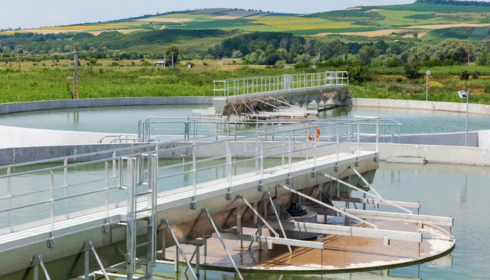

Let’s be honest—most of us don’t really think twice about the taste or smell of our tap water until something’s… off. Maybe it’s that strange metallic tang. Or worse, that faint swimming pool vibe coming from your kitchen sink. You shrug it off. “It’s just city water,” you tell yourself. But deep down, you know: clean water shouldn’t taste or smell like this.
Let’s talk about what’s really going on—and how you can finally fix it without losing your mind (or your budget).
The Subtle Problem Nobody Talks About
You know how you sometimes take a sip and it just… doesn’t feel right? Maybe it’s not exactly bad, but it’s not great either. You’ve filtered it. Maybe even boiled it once. But there’s still that weird taste you can’t put your finger on.
This is more common than you’d think. While most municipal water supplies in developed areas are technically “safe,” that doesn’t mean they taste or smell pleasant. Water can carry trace minerals, chlorine, organic matter, and even leftover pipe residue—especially in older buildings.
If you’re trying to refine water taste at home, you’re not just being picky. You’re doing something a lot of people overlook—paying attention to what your body is telling you.
That Distinct Smell? It’s Not Just Your Nose
One of the biggest complaints people have about their water isn’t even taste—it’s odor. And the most notorious culprit? Chlorine.
Municipal water systems use chlorine (and chloramine, in some cases) to kill bacteria and other microbes before it gets to your faucet. Great for safety. Terrible for your nose.
If your tap smells like a public pool, it’s time to remove chlorine odor from your life. It’s not dangerous in the levels used for water treatment, but it is unpleasant. And it can even affect the flavor of your cooking, your coffee, your tea. Ever notice your pasta water smells weird when it boils? Yep—chlorine.
Filters Help—But Not All Filters Are Equal
Brita jug in your fridge? Decent start. Those pitcher filters remove some chlorine and improve taste a little. But if you’re really after a difference you can taste (and smell), you need to go further.
Enter under-sink multi-stage filters, carbon block systems, and reverse osmosis setups. These systems don’t just mask the problem—they solve it.
Activated carbon is especially useful for dealing with chlorine and organic compounds. Want cleaner, crisper water without dropping thousands on a full house system? A decent under-sink unit can change your life (and your hydration habits).
The Rise of Smarter, Advanced Water Treatment Systems
Let’s get into the cool stuff. Technology in water purification has come a long way. We’re not just talking about clunky softeners and basic charcoal anymore. We’re talking about systems that use UV light to kill bacteria, reverse osmosis to strip down to the cleanest H₂O molecules possible, and remineralization filters that add back healthy minerals so your water isn’t just tasteless and flat.
Advanced water treatment isn’t just for industrial use or luxury homes anymore. Compact, effective, and energy-efficient systems are becoming more accessible every year—and people are finally waking up to what a game-changer clean, good-tasting water can be.
Real Talk: Is It Worth the Money?
This is where people hesitate. Is it really worth spending a couple hundred bucks (or more) on a filtration setup when tap water is “good enough”?
Well, think about this:
- How much do you spend on bottled water per year?
- What’s your health worth?
- How many water-related appliances (coffee maker, kettle, humidifier) get clogged or break down due to hard or chemically treated water?
Investing in solid filtration is one of those upgrades that you feel every single day. You drink more water. Your coffee tastes better. Your skin might even clear up. And you stop spending money on “fixes” like fridge filters, bottled water, and descaling powders.
It’s a long-term investment in health, comfort, and convenience.
Little Habits That Help, Too
Even if you’re not quite ready to commit to a filtration system, there are small things you can do to make your water taste better in the meantime:
- Let it breathe: Pour a glass and let it sit for 10–15 minutes. This gives some of the chlorine time to evaporate.
- Add citrus: A squeeze of lemon or lime can brighten the flavor.
- Boil it: For certain odors, boiling can release trapped gases.
- Store it cold: Chilled water often tastes cleaner than lukewarm water straight from the tap.
These aren’t permanent fixes, but they can get you through the day.
Don’t Forget Your Plumbing
One last overlooked cause of funky water? Your own pipes. Especially in older homes, old plumbing can leach metals, sediments, and even bacteria into your water. That’s why even good city water can turn questionable by the time it reaches your mouth.
You might want to get your plumbing inspected if:
- You notice a metallic taste that doesn’t go away.
- There’s visible sediment in your glass.
- You live in a building built before the ’80s.
Sometimes, the issue isn’t your water source—it’s the path it takes to get to you.
Wrapping Up: It’s Not Just “Water Is Water” Anymore
We’re past the days of just turning on the tap and calling it a day. The quality of your water—how it tastes, how it smells, how it feels—affects your entire day. Your health. Your cooking. Even your mood, in some subtle ways.