Water has a way of slipping into the background of our lives. It’s there when we wake up, there when we cook, there when we clean up at the end of the day. We don’t usually think about it unless something feels off. A strange taste. Scale creeping onto faucets. Appliances that don’t last as long as they should. Those moments don’t cause panic, but they do raise an eyebrow.
And once you start noticing your water, it’s hard to stop.
The quiet influence water has on daily life
Water doesn’t just hydrate us. It touches nearly every system in a home or workplace. Pipes, heaters, dishwashers, washing machines, cooling systems—everything that relies on water also relies on its quality. When water behaves well, we barely notice it. When it doesn’t, it creates friction in ways that feel oddly personal.
Most people live with small water annoyances for years. We scrub harder. We descale more often. We replace appliances sooner than expected and chalk it up to bad luck. Rarely do we stop and ask whether the water itself is part of the story.
Why hardness is often the first clue
Hard water is one of the most common issues people encounter, and also one of the easiest to overlook. Soap doesn’t lather. Dishes come out spotted. Showers leave skin feeling dry. These things seem minor until you realize they’re all connected.
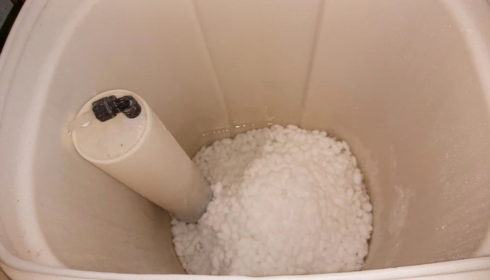
This is where softener systems quietly earn their reputation. They don’t make dramatic changes overnight, but they remove the minerals that cause these everyday frustrations. Over time, water feels easier to live with. Cleaning takes less effort. Appliances stay efficient longer. Life smooths out in small but noticeable ways.
What surprises many homeowners is how quickly they adjust to better water—and how reluctant they are to go back once they’ve experienced it.
Home is where water habits really show
At home, water quality becomes intimate. It affects your morning routine, your cooking, your laundry, your downtime. It’s not just about technical performance; it’s about comfort. About trust.
That’s why residential water treatment often starts with curiosity rather than urgency. People want to know why their water tastes different from a friend’s, or why their fixtures seem to age faster. They’re not chasing perfection. They’re looking for consistency.
Residential solutions tend to focus on balance. Improving taste without over-filtering. Managing minerals without stripping water of everything else. The goal isn’t laboratory-grade purity—it’s water that supports daily life without demanding attention.
When water quality becomes a business concern
In commercial settings, the stakes are different. Water still affects comfort, but it also affects operations, reputation, and cost. Restaurants depend on water for taste and cleanliness. Hotels rely on it for guest experience. Manufacturing facilities need consistency to protect equipment and product quality.
Here, commercial water treatment becomes less about convenience and more about reliability. Systems are designed to handle higher volumes, stricter requirements, and constant use. Downtime isn’t just inconvenient—it’s expensive.
Interestingly, the philosophy isn’t that different from residential treatment. The scale changes, the priorities shift, but the core idea remains the same: water should support the work being done, not interfere with it.
One size rarely fits all
One of the biggest misconceptions about water treatment is that there’s a universal solution. There isn’t. Water quality varies by region, source, season, and usage. What works beautifully in one building may be unnecessary or ineffective in another.
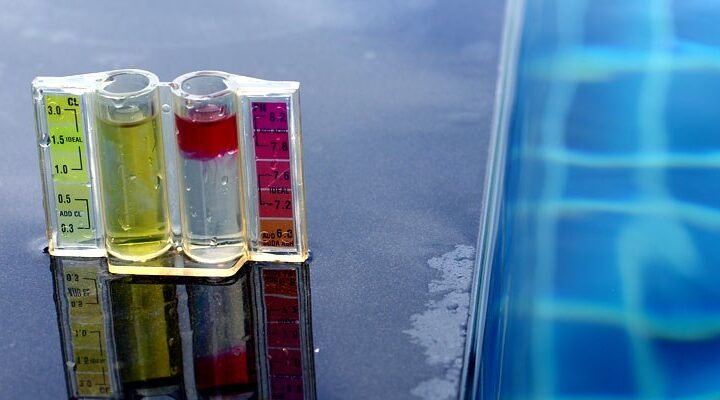
This is why thoughtful assessment matters more than trends or brand names. Testing, understanding usage patterns, and setting realistic goals lead to better outcomes than copying someone else’s setup.
Good water solutions feel tailored, even if the technology behind them is standard.
Avoiding the trap of overcorrecting
When people first learn about water issues, there’s often an urge to fix everything at once. Add layers. Remove everything. Aim for “perfect” water. But perfection is a moving target, and chasing it can create new problems.
Over-treated water can taste flat. Aggressive filtration can stress plumbing. Complexity increases maintenance and cost. Balance, once again, wins.
The best systems are the ones you stop thinking about after installation. They work quietly, predictably, without demanding constant oversight.
How better water changes behavior
Improved water quality doesn’t announce itself loudly. Instead, it changes habits subtly. People drink more water without trying. Soap usage drops. Cleaning routines get easier. Bottled water purchases fade away.
In commercial spaces, staff notice fewer maintenance calls. Equipment lasts longer. Customers comment on small things—better coffee, cleaner glassware—without realizing why.
These shifts aren’t dramatic, but they’re durable. They stick because they make life easier.
The long-term view most people overlook
Water issues rarely feel urgent, which is why they’re easy to postpone. But they are cumulative. Scale builds slowly. Wear happens quietly. Costs add up over years, not weeks.
Taking a long-term view—testing periodically, maintaining systems, adjusting as needs change—pays off in ways that aren’t always obvious at first. Fewer surprises. Fewer replacements. More predictable performance.
Whether at home or in a business, that predictability has real value.
Confidence is the real outcome
What people often underestimate is the confidence that comes from understanding and improving water quality. Confidence to drink from the tap. Confidence to run appliances without worry. Confidence that the systems in place are doing what they’re supposed to do.
That confidence reduces mental load. You stop compensating. You stop second-guessing. Water fades back into the background, where it belongs.
A thoughtful ending, because water deserves one
Water doesn’t need to be perfect. It needs to be appropriate—for your space, your usage, your priorities. When it is, life feels smoother in ways that are hard to quantify but easy to appreciate.
Whether you’re managing a home or running a business, the right approach to water is the one that quietly supports everything else. No drama. No fuss. Just water doing its job, day after day.
And sometimes, that quiet reliability is the best upgrade of all.