You don’t think much about your dryer—until the day it stops working. One load in, and you’re expecting warm, toasty clothes like usual. But this time? Just a soggy pile of laundry and a drum spinning like it’s doing something when it’s really not. That’s the moment the frustration sets in. Not because you’re afraid of machines, but because the timing is always terrible. Sunday night. School tomorrow. Towels needed. And suddenly, the dryer’s staging a protest.
The good news? Most dryer issues aren’t end-of-the-world material. The bad news? You’ll probably need help figuring it out. And that’s okay.
That Moment You Realize Something’s Off
Dryers are sneaky. They don’t always break in dramatic ways. More often, it starts with little signs—longer drying times, odd noises, clothes that come out lukewarm instead of warm-warm. But hey, life’s busy, and it still kind of works, right?
Until it doesn’t.
That’s when you start digging. Google searches. A few YouTube videos. Maybe even a screwdriver in hand if you’re feeling bold. But let’s be real—most of us don’t want to disassemble our dryer in the middle of laundry day. That’s when calling in a pro for electric dryers repair starts sounding a whole lot smarter.
Electric vs. Gas Dryers: What’s the Big Difference Anyway?
If you’ve got an electric model, you’re not alone—it’s the go-to choice for a lot of homes. No gas hookups, easy installation, just plug and go. But that doesn’t mean they’re problem-free.
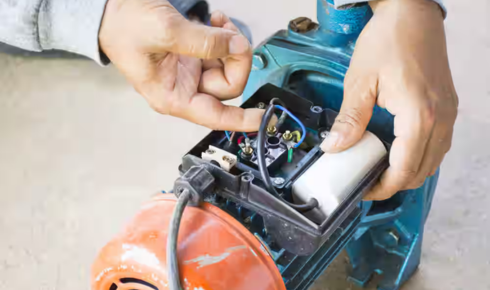
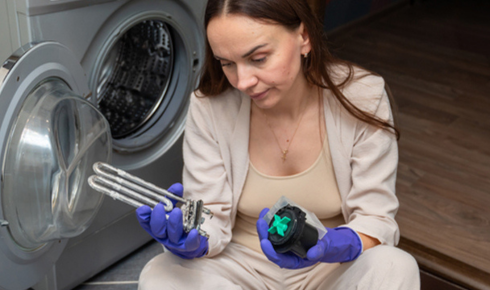
Electric dryer issues often involve heating elements, thermostats, sensors, and circuit boards. One wire out of place, one connection corroded, and the whole system can feel useless. That’s the tricky part. It’s not always obvious what’s wrong.
And unlike gas dryers, which sometimes give off very clear signs (smells, no flame, etc.), electric ones just…stop doing their job. Quietly. Without warning. It’s almost rude, really.
What Usually Goes Wrong?
You’d be surprised how many calls techs get that start with, “I don’t know, it just won’t dry.”
Here’s what that often means:
- Blown thermal fuse
- Failed heating element
- Malfunctioning thermostat
- Broken door switch
- Clogged vents or ducts
- Faulty timer or control board
Some of these are fixable in under an hour. Others take a little digging. But none of them are uncommon, and in most cases, they don’t mean you need a new dryer. That’s the good news.
The Case for Calling a Pro
Yes, DIY is tempting. And sure, if you’ve got a multimeter and some experience under your belt, by all means—check the fuse or test continuity on your element. But for most folks, the better move is to bring in someone who deals with dryers repair every day.
Because here’s the thing: one wrong wire, one misstep while poking around inside a 240V appliance? That’s not a risk worth taking.
Good repair techs don’t just fix stuff. They explain what’s wrong. They show you the broken part. They give you options. And maybe most importantly, they don’t pressure you. It’s a service—not a sales pitch.
How to Spot a Solid Dryer Repair Service
Forget the fluff. Here’s what really matters when looking for someone to fix your dryer:
- They’re upfront about pricing. No shady “trip charges” or surprise fees.
- They bring common parts with them. Waiting a week for a thermostat defeats the purpose.
- They show up when they say they will. Simple, but sadly rare.
- They talk to you like a human. No tech-speak, just straight answers.
- They clean up after themselves. You’d be amazed how many don’t.
Bonus points if they follow up a couple days later to make sure things are still running right.
Should You Just Replace It Instead?
Ah yes, the age-old dilemma. The dryer’s old. It’s acting up. The repair is $200. New models start at $600. What do you do?
Here’s a quick guide:
- Under 7 years old? Repair it.
- 7–10 years old? Depends on the cost and condition.
- Over 10 years? Lean toward replacing—but get a pro’s opinion first.
A good tech will give you the truth. If it’s not worth fixing, they’ll tell you. No guilt. No upsell. Just honesty.
A Little Maintenance Goes a Long Way
Dryers don’t need a ton of love, but they do appreciate a little upkeep:
- Clean the lint trap every load (yes, every load).
- Check and clean the vent at least once a year.
- Don’t overload it—your clothes dry faster and your motor lasts longer.
- If you hear new noises, don’t ignore them.
Small habits = longer life = fewer repair bills.
Final Thoughts from the Laundry Room
Look, nobody gets excited about appliance repairs. But they’re part of homeownership. And the more you understand what’s going on, the less overwhelming it feels when your dryer takes a day off.
The next time it quits mid-cycle or leaves your towels damp and sad, don’t panic. Just pause, assess, and reach out to someone who knows the inside of a dryer better than most of us ever will.
They’ll fix it. You’ll get back to your day. And laundry? Well, it’ll never be fun—but at least it’ll be warm, clean, and dry again.