There’s something deeply comforting about turning on the tap, hearing that smooth flow, and filling your glass without a second thought. But here’s a question that might throw you off your routine for a second—do you really know what’s in that glass?
Water is supposed to be the ultimate source of life, the health kick we reach for before coffee or soda. But the stuff that actually comes out of the faucet? It’s often more complicated. Minerals, contaminants, and even trace chemicals can lurk in plain sight, quietly working against your health goals.
Let’s dig in—because trust me, this is one household upgrade you don’t want to ignore.
Not All Water Is Created Equal
We’ve gotten used to the idea that tap water is “good enough.” But think about all the things we use it for. Showers, laundry, washing fruits, boiling pasta. And let’s not forget the most personal one: drinking and cooking water. That’s the water we’re literally putting into our bodies every single day. Shouldn’t it be the purest of the pure?
Unfortunately, municipal water—while treated—isn’t always free of contaminants. Depending on where you live, things like chlorine, fluoride, sediment, and even lead can make their way into your water line. Not necessarily in levels that raise red flags right away, but enough to cause concern over the long haul.
And if you’re on well water? That’s a whole different story, with its own unique set of challenges.
How Clean Is Clean, Really?
Here’s the uncomfortable truth: “safe” doesn’t always mean “ideal.” Government standards are often a compromise between what’s healthy and what’s affordable to implement at scale. So even if your local water supply passes official tests, it might not be what’s best for your family—especially over years of daily use.
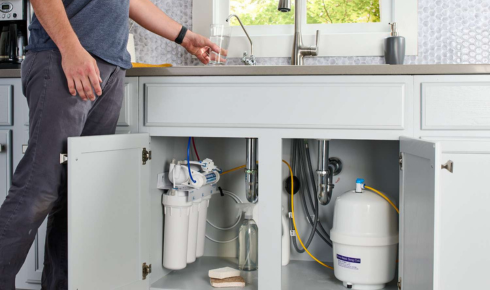
That’s where reverse osmosis enters the conversation. It’s a filtration process that goes above and beyond your average pitcher or under-sink filter. It uses a semi-permeable membrane to trap contaminants at a microscopic level, leaving you with water that’s impressively pure and crisp. Like, bottle-worthy.
RO systems aren’t new tech, but more people are finally waking up to just how game-changing they can be in a regular household setup.
Small Investment, Big Impact
Let’s get real. Installing a full-on purification system may sound like a hassle. And sure, there’s an upfront cost. But think about what you’re getting in return.
Better health. Peace of mind. Fewer plastic bottles. Cleaner coffee and tea. And did I mention your cooked food might taste noticeably fresher too?
A well-installed RO system can last years, requires minimal maintenance, and pays for itself if you’ve been buying bottled water or filters on repeat. Plus, many modern designs are compact and sleek—you’ll barely notice it’s there… except for when you start wondering why your water suddenly tastes amazing.
It’s Not Just About Taste
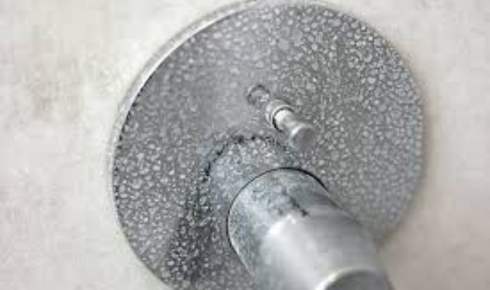
Taste is just the beginning. Pure water can improve skin hydration, reduce mineral buildup in kettles and appliances, and even extend the life of your plumbing. It’s a ripple effect, literally.
More importantly, if you’ve got little ones at home, seniors, or anyone with a compromised immune system, clean water isn’t a luxury—it’s essential.
There’s a subtle, but important difference between “not bad” and “actually good.” Why settle for the former when you have access to the latter?
What to Look for in a System
Here’s where it gets personal. Not every water setup is the same, so it’s worth testing your current supply before making decisions. Look for clarity, smell, aftertaste. Or better yet, get a water quality test done professionally (or even via a reliable home kit).
From there, you can decide whether you need a multi-stage filter, sediment pre-filter, remineralization post-filter, or just a straight-up reverse osmosis system.
Don’t overcomplicate it. Start simple and build up. What matters most is that you’re doing something to take control of your water quality.
The Ritual of Good Water
There’s something quietly powerful about making a cup of tea with ultra-clean water. Or pouring a glass and knowing exactly where it’s been filtered and how. It becomes a ritual—something small, yet meaningful, that says, “I take care of myself.”
It’s easy to overlook water because it’s just… there. But when you elevate its quality, you start to notice changes that sneak into everyday life. Your skin might feel better. Coffee might taste less bitter. Dishes might come out cleaner. And you? You’ll just feel better knowing that you’re doing the right thing.
Final Sip: Clean Water Is Self-Care
We spend a lot on supplements, skin care, fitness apps, smartwatches. But one of the easiest and most powerful wellness moves starts right at the tap.
Water is the foundation of everything—our health, our habits, our home. So don’t treat it like an afterthought.
Whether you’re buying a full-on filtration system or simply becoming more aware of what’s in your supply, the first step is awareness. And the next step? Action.
Because good water isn’t just something to hope for. It’s something you can make happen—one filter, one faucet, one decision at a time.