You wipe the sink. It shines for a moment. Then, almost like clockwork, those faint white marks creep back in. The same thing happens on your shower door, your taps, even your dishes. It’s not dirt, not exactly. It’s something more persistent—something that doesn’t respond to a quick clean.
At some point, you stop blaming your cleaning routine and start wondering if there’s something else going on.
There usually is.
When Clean Surfaces Don’t Stay Clean
It’s a quiet kind of frustration, dealing with unsightly spots stains that refuse to stay gone. You scrub, rinse, dry—and for a little while, everything looks fine. But give it a day or two, and those marks reappear like they never really left.
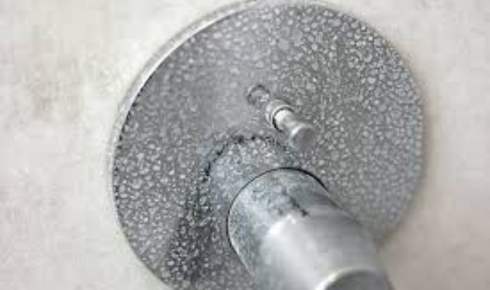
What you’re seeing is often mineral residue. Hard water carries dissolved minerals, mostly calcium and magnesium. When water evaporates, those minerals stay behind, clinging to surfaces in thin, chalky layers.
It’s not harmful. But it’s relentless.
The Places That Reveal the Problem
Some parts of your home show it more clearly than others.
Glass surfaces—like mirrors and shower panels—are particularly unforgiving. They don’t hide anything. Every droplet that dries leaves a tiny mark, building up over time into a cloudy film.
Faucets and sinks develop rings. Tiles start to look dull. Even dishes, fresh from the dishwasher, can carry that faint haze.
It’s not about cleanliness anymore. It’s about what the water leaves behind after the cleaning is done.
The Hidden Effects Beneath the Surface
While the visible marks are annoying, there’s more happening out of sight.
Those same minerals are settling inside your pipes and appliances. It’s a slow process, easy to overlook, but over time it can affect water flow, reduce efficiency, and shorten the lifespan of things like water heaters and dishwashers.
It’s not immediate damage. It’s gradual wear—the kind that quietly builds until it becomes expensive to ignore.
That’s why many homeowners start looking for ways to reduce mineral buildup before it turns into a bigger issue. Sometimes it begins with simple steps, like regular descaling or using cleaning solutions that break down deposits.
It helps, but it’s often just the first step.
Why Cleaning Alone Isn’t Enough
You can clean surfaces as often as you like, but if the water continues to carry minerals, the cycle repeats.
It’s a bit like trying to keep a window spotless during a dust storm. You might succeed temporarily, but the environment keeps undoing your efforts.
That’s why the focus eventually shifts from cleaning harder to addressing the source.
Understanding that shift is important. It’s the difference between constant maintenance and long-term improvement.
Looking at the Bigger Solution
When people reach this point, they often start exploring broader options—something that changes the quality of water throughout the home, not just at a single tap.
That’s where water softener systems come into the picture. These systems work by removing or neutralizing the minerals responsible for buildup, making the water less likely to leave residue behind.
It’s not just about aesthetics. Softer water can improve appliance performance, reduce cleaning time, and create a more consistent experience across your home.
It’s one of those changes that doesn’t shout for attention—but you notice it in the absence of problems.
The Difference You Feel Over Time
The benefits don’t always show up immediately.
At first, you might just notice that surfaces stay clean a little longer. Then you realize your dishes come out clearer, your taps don’t need as much attention, and your shower glass doesn’t fog up with residue quite as quickly.
Over time, the difference becomes part of your routine—not because you’re doing more, but because you’re doing less.
Less scrubbing. Less re-cleaning. Less second-guessing whether something is truly clean.
Finding What Works for Your Home
Not every home needs the same approach.
Some people are comfortable managing the issue with regular cleaning and occasional descaling. Others prefer a more permanent solution, especially if the buildup is affecting multiple areas of the house.
It really comes down to how much those daily inconveniences matter to you—and how much time you want to spend dealing with them.
There’s no right or wrong choice. Just different ways of reaching the same goal: a home that feels easier to maintain.
Letting Your Home Feel Effortless Again
At its best, your home should feel like a place where things work without constant effort.
When water quality gets in the way, even small tasks can start to feel like chores. But once you understand what’s happening—and take steps to address it—those frustrations begin to fade.
Surfaces stay cleaner. Appliances run smoother. And you spend less time fixing the same problem over and over again.
In the end, it’s not about achieving perfection. It’s about removing the little obstacles that make everyday life more complicated than it needs to be.
And sometimes, it starts with something as simple as the water running through your home.