There’s a certain quiet trust we place in water. You turn on the tap, fill a glass, and don’t think twice. It’s one of those everyday acts that feels so normal, so automatic, that questioning it almost seems unnecessary. But every now and then, something nudges you—maybe a news story, maybe a strange taste—and you start wondering: how safe is the water I drink, really?
It’s not a dramatic question. It’s a practical one. And, honestly, it’s one worth asking.
The Everyday Reality Behind Drinking Water
Water isn’t just water anymore. Not in the simple sense we once believed. Today, the journey from source to tap can be long and complicated—pipes, treatment plants, storage systems, environmental exposure. Somewhere along that path, things can change.
That’s where the idea of drinking water safety becomes more than just a technical term. It becomes personal. Because safe water isn’t only about avoiding illness; it’s about long-term health, about what you’re putting into your body day after day without thinking.
Most municipal systems do a decent job. Regulations exist, testing happens, and standards are maintained. But no system is perfect. And for people relying on private wells or older infrastructure, the uncertainty can be even greater.
When Water Looks Fine but Isn’t
Here’s the tricky part—water can appear perfectly clean and still carry hidden concerns. No strange color, no unusual smell, nothing that raises immediate suspicion. And yet, beneath that clarity, there might be dissolved minerals, trace metals, or contaminants you wouldn’t notice without testing.
That’s why conversations about water quality often feel a bit abstract. You can’t see it, so it’s easy to ignore it. But quality isn’t just about taste or clarity—it’s about composition. What’s in your water, even in tiny amounts, matters over time.
Think of it like air. You don’t always see pollution, but you feel its effects eventually. Water works in a similar way.
The Role of Testing (and Why It’s Often Delayed)
If there’s one thing people tend to put off, it’s water testing. Not because it’s difficult—it’s actually quite straightforward—but because it doesn’t feel urgent. There’s always something else that demands attention first.
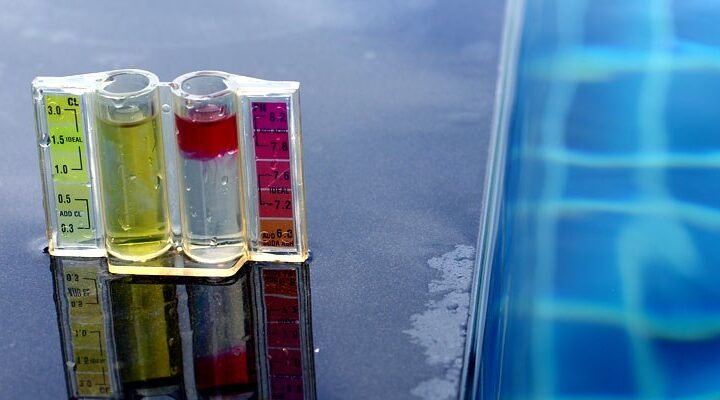
But testing is where clarity begins. Whether it’s a home test kit or a professional lab analysis, getting your water checked gives you real answers instead of assumptions. And once you have those answers, decisions become easier.
You might find everything is perfectly fine. Or you might discover something that needs attention. Either way, you’re no longer guessing.
Understanding the Need for Treatment
Sometimes, the results of a water test bring up specific concerns—like the presence of arsenic. It’s not something most people expect, but in certain regions, it’s more common than you’d think.
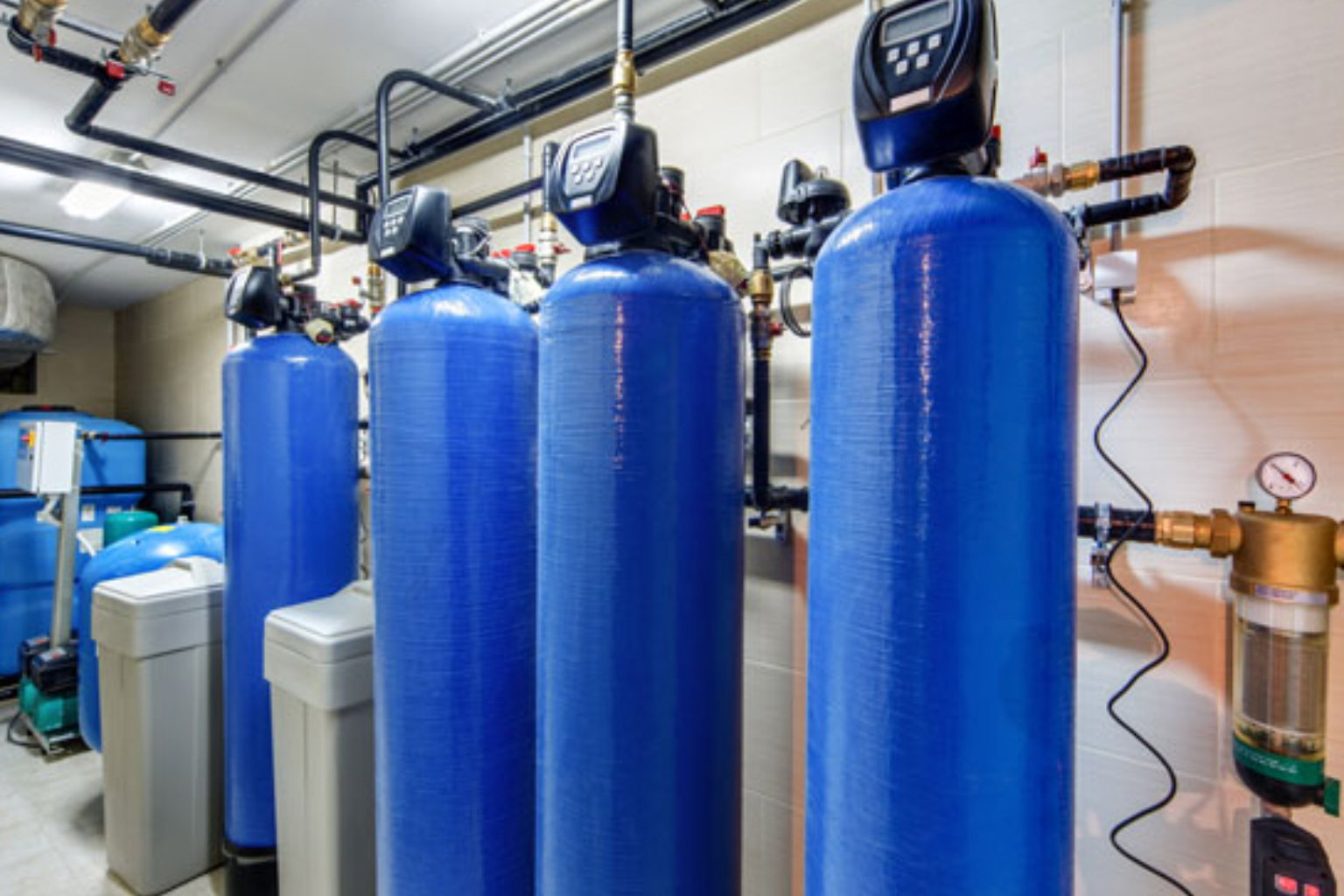
This is where arsenic removal becomes relevant. And it’s not as complicated as it sounds, though it does require the right approach. Standard filters won’t do much here; more advanced systems like reverse osmosis or specialized filtration units are usually needed.
What’s interesting is how many people assume all filters are the same. They’re not. Choosing the right system depends on what you’re dealing with. It’s a bit like medication—you wouldn’t take the same treatment for every condition.
Small Adjustments That Make a Difference
Improving your water doesn’t always mean a complete overhaul. Sometimes, it’s small, thoughtful changes. Installing a point-of-use filter in the kitchen. Scheduling periodic testing. Paying attention to how your water tastes or smells over time.
These aren’t dramatic lifestyle shifts. They’re subtle adjustments that quietly improve your daily life. And over months and years, those small improvements add up.
Living With Awareness, Not Fear
It’s easy to fall into the trap of overthinking once you start learning about water issues. Every sip feels like something to analyze. But that’s not the goal.
The goal is awareness. To know enough to make informed choices, without turning it into constant worry. Water should still feel like water—refreshing, simple, reliable.
And when you’ve taken the right steps—tested it, treated it if needed—you can go back to that simple trust. Maybe not blind trust, but informed trust. And that’s actually better.
A Quiet Shift in Perspective
There’s something grounding about paying attention to the basics. Food, air, water—the essentials we often overlook because they’re always there.
Revisiting those basics doesn’t mean something is wrong. It just means you’re paying attention. And in a world where so much feels complicated, there’s something reassuring about taking control of the simple things.
So the next time you fill a glass of water, maybe pause for a second. Not out of concern, but out of awareness. Because sometimes, the smallest habits carry the most meaning.