


If you live on Long Island, chances are you’ve filled a glass straight from the tap and wondered—what’s actually in this water? It looks clear enough, but taste and residue often tell another story. From calcium buildup on faucets to that faint metallic flavor, local homeowners know something’s up. But here’s the kicker: it’s not necessarily bad, it’s just… complicated.
Let’s unpack what makes Long Island’s water unique, why it behaves the way it does, and what you can realistically do to improve its quality without overthinking every sip.
The Roots Beneath the Island
Long Island’s water doesn’t come from a faraway lake or mountain reservoir—it comes from underground aquifers. Picture massive, natural sponge-like layers beneath the surface that store rainwater filtered through sand and soil. Sounds pure, right? Mostly, yes. But those same natural filters also collect minerals like calcium, magnesium, and iron, and that’s where the story begins to change.
So when people ask, does long island have hard water, the answer is: absolutely. Most towns across Nassau and Suffolk counties have moderately to very hard water. That means higher levels of dissolved minerals. It’s not dangerous, but it can be annoying—causing limescale buildup, dull hair, and faded laundry over time.
Hard Water Isn’t “Bad,” but It’s Not Ideal Either
Hard water doesn’t pose a health threat. In fact, minerals like calcium and magnesium are good for you. But for your home appliances? Not so much. Over time, they can shorten the lifespan of dishwashers, water heaters, and washing machines.
Ever noticed your dishes coming out of the dishwasher cloudy or with streaks? That’s calcium residue. Or maybe your shower head gets clogged quicker than it should—that’s mineral buildup. It’s not your imagination; it’s your water talking back to you.
People who move to Long Island from areas with softer water often notice these quirks right away. Faucets need more cleaning, soaps don’t lather as well, and hair products feel less effective. It’s the kind of thing that seems minor until you realize how often you’re battling against it.
The Quiet Problem: What You Don’t See
While mineral hardness is visible, there are other concerns that aren’t. Long Island’s aquifers have been impacted over the years by pesticides, old septic systems, and industrial runoff. Many communities have installed advanced filtration systems to keep tap water within safe limits—but contaminants like PFAS and nitrates have made headlines more than once.
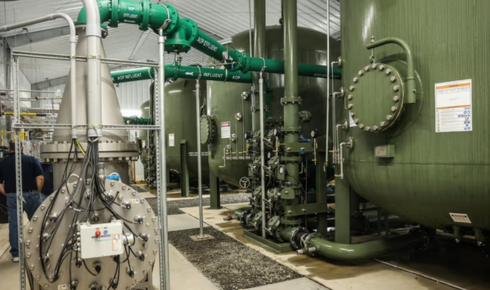
That’s why so many households have started turning to advanced purification technologies. Systems designed to not only soften water but also remove volatile chemicals, chlorine, and even microscopic particles. And that’s where aerus water systems often come into the conversation.
A Modern Approach to Cleaner Water
Aerus, a company known for its air and water purification innovations, offers whole-home systems that go beyond traditional softeners. Instead of just replacing calcium with sodium (as older systems do), these units use advanced filtration media and oxidation technology to tackle both hardness and contamination.
It’s not about making your water taste “perfect.” It’s about removing what doesn’t belong there—metals, chlorine, sediment—and keeping what’s beneficial. People who install Aerus systems often say their water feels different. Softer on the skin, gentler on clothes, and much better for appliances.
But technology alone isn’t magic. It works best when paired with a good understanding of where your water comes from and who manages it.
The Unsung Heroes: Local Water Departments
Long Island’s local water departments are constantly monitoring, testing, and upgrading infrastructure to keep drinking water safe. Each district has its own set of challenges based on geography, aquifer depth, and population density. For instance, the levittown water department routinely publishes water quality reports detailing everything from pH levels to the presence of trace contaminants.
It’s worth reading those reports—even if you’re not a science buff. They reveal how your neighborhood’s water compares to state and federal standards. Sometimes, they’ll even mention what upgrades or new wells are being developed. Think of it as a yearly “health checkup” for your home’s water.
Everyday Fixes for Everyday Water
Even without fancy systems, you can make small tweaks that help:
- Use faucet filters — They’re affordable, easy to replace, and can remove chlorine and sediment.
- Descale regularly — Vinegar can work wonders for cleaning kettles and showerheads.
- Choose detergents made for hard water — They’ll clean better and reduce residue on clothes.
- Flush your water heater once a year — Sediment buildup can lower efficiency over time.
These little routines add up, especially if you’re not ready to invest in a full-home filtration setup yet.
What’s Ahead for Long Island Water
There’s growing awareness across Long Island about protecting aquifers and upgrading infrastructure. From PFAS removal systems to smarter conservation methods, local utilities and residents alike are recognizing that water is a shared resource, not just a convenience.
If you’ve ever brushed off water quality as “someone else’s problem,” maybe now’s the time to take another look. The solution starts with small steps—reading your local report, testing your tap, or simply learning what’s behind that glass of water on your counter.
Final Thoughts
Water is one of those invisible parts of daily life we tend to overlook until it becomes a problem. But on Long Island, it’s both a blessing and a challenge—a natural resource that demands care, attention, and sometimes, a bit of extra help from modern filtration.
Whether you’re noticing stains on your sink, brittle hair, or just that odd aftertaste, remember: it’s not just about fixing a nuisance. It’s about investing in your home’s health and your own peace of mind.
Because clean water isn’t just about what you drink. It’s about how you live.