

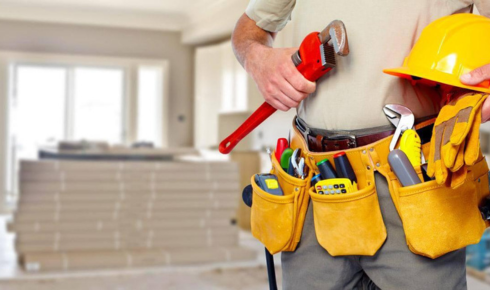

There’s something grounding about the smell of freshly cut wood, the quiet buzz of a distant drill, and the murmur of builders discussing pipe routes. If you’ve ever walked through the skeleton of a house in progress, you know the feeling—it’s the pulse of possibility. Every beam, every nail, every pipe laid beneath the floor whispers one thing: beginnings.
Not Just Pipes and Wrenches
Let’s be honest—plumbing isn’t glamorous. There are no gold-plated awards or red carpets. But if you’ve ever been ankle-deep in water from a surprise leak or stood in a freezing bathroom when the hot water gave up, you know exactly how vital it is.
Behind the scenes of every functioning home or commercial space is someone who’s mapped out a maze of water lines, drains, and vents like an underground symphony. Especially in new construction, where everything starts from scratch. Here, plumbers become designers, visionaries, and engineers rolled into one. They don’t just react—they anticipate. They study blueprints, calculate water pressure, and make sure your future shower isn’t an ice bath waiting to happen.
The Art (and Chaos) of Remodeling Work
Then there’s the other side of the coin: remodels. This is a whole different beast. Unlike a fresh start, remodeling means walking into a structure with its own quirks, secrets, and surprises. Think uneven floor joists, 40-year-old galvanized pipes, or bathrooms that were clearly not designed by anyone who has ever used a bathroom.
Remodels are messy, unpredictable, and a test of patience. But they also offer the kind of creative problem-solving that only seasoned tradespeople can deliver. It’s about adapting on the fly. Finding a way to reroute a drain without tearing down the whole kitchen. Making sense of spaghetti-like piping behind decades-old walls. Or making a modern soaking tub fit in a space built for a compact clawfoot.
That’s when plumbers stop being “just plumbers” and become heroes in boots.
From Apprentice to Master
Most people don’t realize how long the road is to becoming a fully licensed plumber. It’s not a quick online course or a weekend certification. It’s years—yes, years—of hands-on training, late-night studying, state exams, and learning from mistakes.
And at the top of this long, often gritty ladder is the master plumber license. It’s not handed out like candy at a parade. It’s earned. This credential isn’t just about skill with a pipe wrench—it’s about deep knowledge of building codes, leadership, business operations, and decades of experience.
A master plumber isn’t just the one who gets the job done—they’re the one who sees the bigger picture, mentors the next generation, and takes full responsibility for every fitting, fixture, and inspection.
More Than Technical Skill
Sure, plumbers deal with water heaters, backflows, vent stacks, and sump pumps. But the heart of the job is trust. When you let someone into your home to dig through your walls and under your floors, you’re putting faith in their integrity.
And when it’s done right, you don’t think about it. You just take a warm shower, flush the toilet, run your dishwasher—and everything works. That’s the mark of great plumbing: invisibility. You don’t notice it until it breaks, and when it works, it’s like it’s always been there.
Navigating Codes and Clients
Let’s not forget the paperwork jungle. Plumbing isn’t just physical work—it’s legal, too. Everything must meet building codes and city requirements, or the whole thing can grind to a halt. Inspections, permits, pressure tests, and coordination with other trades—these aren’t small things. They can make or break a timeline.
And clients? Well, they come in every flavor. Some are amazing, collaborative, and understanding. Others… not so much. Managing expectations, timelines, and budgets is half the battle. A seasoned plumber knows that communication is as essential as a pipe cutter.
Green Plumbing and the Future
There’s also a shift happening. With growing awareness of sustainability, plumbers today are working with low-flow fixtures, tankless water heaters, greywater systems, and smart tech integration. It’s not just about plumbing anymore—it’s about conservation, energy savings, and smart infrastructure.
As the world moves toward eco-friendly building practices, plumbers are becoming key players in green construction. They’re the ones helping homeowners cut water waste, lower utility bills, and even qualify for environmental rebates.
The Dirty Work No One Talks About
Let’s be real—there are parts of plumbing that no one likes to talk about. Raw sewage. Rotten smells. Tricky crawlspaces. Tight attics in the middle of summer. Frozen lines at 3 AM.
But plumbers do it. They show up, get dirty, and fix what needs fixing. They crawl through muck, endure the weather, and figure out how to solve problems that most of us wouldn’t touch with a ten-foot pole.
Why It All Matters
At the end of the day, plumbing is one of those trades that holds the bones of our lives together. It keeps homes safe, hygienic, and comfortable. It’s the difference between a home and a structure. Between functionality and frustration.
Whether it’s the strategic layout of a plumbing system in new construction, the chaotic creativity needed during remodels, or the knowledge and responsibility that comes with holding a master plumber license, this craft is far more than turning wrenches.
It’s human. It’s problem-solving. It’s about understanding systems and people, design and durability, science and service. And it’s high time it got the respect it deserves.