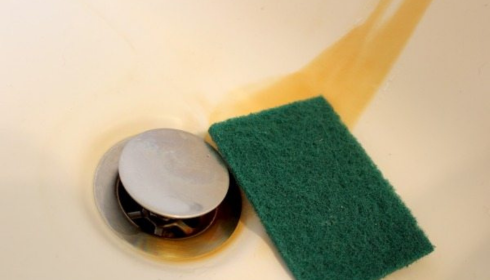
You step into your bathroom after a long day, looking forward to a relaxing soak. But instead of calm, you’re greeted by a less-than-luxurious sight—an orange ring circling your tub. Lovely. No matter how much elbow grease you put into it, that stubborn stain seems to hang around like a bad habit.
So, what gives? Why is there orange in bathtub corners, drain areas, or even crawling up the sides like some weird rust-colored tide? And more importantly—can you get rid of it for good?
Let’s dive in (minus the gross water), and get to the bottom of what causes those orange marks, how to clean them up, and how to prevent them from crashing your self-care routine again.
What Causes the Orange Stains in the First Place?
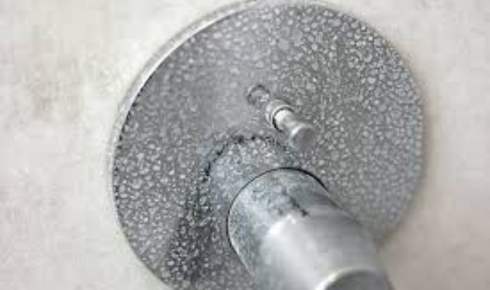
It’s not some mystery fungus or weird mold situation (though we’ve all been there too). In most cases, the culprit is—drumroll—iron. Yep, iron in your water supply reacts with oxygen and creates rust. When it settles in your tub, especially around still water or slow drains, it leaves behind that telltale rusty orange residue.
These stains are particularly common if you have hard water, well water, or older plumbing. And don’t be fooled—your bathroom could be spotless and still fall victim. That annoying orange stains in bathtub situation doesn’t mean you’re lazy or unclean; it just means your water has a little too much “personality.”
In some cases, even your own body care products could contribute—think iron-rich clay masks or tanning lotions—but most of the time, it’s the water itself doing the dirty work.
Cleaning It: What Not to Do First
Before we talk about how to actually clean it, here’s what not to do: don’t reach for the steel wool. Scrubbing with something too abrasive might give you instant gratification, but it can scratch your tub’s surface and actually make future stains cling even more.
Also, avoid heavy-duty cleaners with bleach. They can react poorly with iron and make things worse. Plus, they’re not always safe on every bathtub material (especially fiberglass or porcelain enamel).
So, take a breath, step away from the sandpaper, and let’s go for a smarter strategy.
The Right Way: How to Get Orange Rust Out of Bathtub
Alright, here’s your game plan—simple, effective, and doesn’t smell like a chemistry lab exploded in your bathroom.
- Vinegar & Baking Soda (The Classic Combo):
Sprinkle baking soda generously over the stained area. Then, spray white vinegar until it fizzes (and it will fizz—don’t panic). Let it sit for 10–15 minutes, then scrub gently with a soft-bristle brush or sponge. Rinse with warm water. It might take a couple of rounds, but this is a solid, non-toxic way to fade those rust rings. - Lemon Juice & Borax (When Baking Soda Isn’t Enough):
Borax is a natural mineral cleaner, and lemon juice gives it the acidity needed to tackle iron. Make a paste, apply it to the stain, and let it sit for 15–30 minutes before gently scrubbing. - Commercial Rust Removers (For the Stubborn Cases):
There are some excellent products made specifically for rust stains—like Bar Keepers Friend or Iron OUT. These usually work well on older or tougher stains. Just check your tub material first, follow directions carefully, and wear gloves.
If you’re wondering how to get orange rust out of bathtub efficiently, start mild, then level up as needed. You might be surprised how effective the basics can be when used consistently.
Will It Come Back? Probably. Unless You Deal with the Source.
So, you’ve scrubbed your tub to a sparkling white. Feels great, right? But unless you fix the root issue—high iron content in your water—it’s likely those stains will return.
Here’s what you can do to reduce or prevent future stains:
- Install a water softener or iron filter. This is the big one. A softener or iron filtration system helps reduce the mineral content in your water before it reaches your taps. It’s not just good for your bathtub—it’s great for your hair, appliances, and plumbing too.
- Flush and clean your pipes periodically. Especially in older homes, built-up iron deposits in your plumbing might be feeding the problem.
- Dry the tub after each use. A quick wipe-down after showers or baths prevents water from sitting too long in the same spots, making it harder for minerals to stain.
- Check your bathroom products. If you use clay-based scrubs or bath bombs, double-check the ingredients. Some may include iron oxide pigments that leave behind color.
Real Talk: Don’t Let Stains Steal Your Joy
Let’s be honest. Bathrooms are supposed to be calming, clean spaces—little personal sanctuaries. When you’ve got orange in bathtub corners ruining the vibe, it can throw off your whole mood.
But don’t let a little rust run the show. With the right tools and a bit of consistency, you can keep your tub looking fresh without spending your entire Saturday scrubbing. And if it keeps coming back, don’t just fight the stains—fight the source. Water filters might not be the most glamorous home upgrade, but trust me, they’re worth every penny.
Final Thoughts: Less Stress, Cleaner Tubs
It’s easy to feel overwhelmed when rust stains creep in out of nowhere. But now you know what causes them, how to clean them, and what to do to keep them from making a comeback.
If you’re seeing orange stains in bathtub areas, you’re not alone—and it doesn’t mean your bathroom’s beyond hope. Grab your baking soda, run a little lemon juice, and show that stain who’s boss.