Water is one of those things most of us take for granted until something seems wrong. Maybe your glasses come out of the dishwasher with cloudy spots, your bathroom fixtures develop orange stains, or the water from your kitchen tap has a noticeable swimming-pool smell. These small signs can be frustrating, especially when you aren’t sure what’s causing them.
The truth is that water quality varies from one home to another. Your water source, local treatment methods, plumbing materials, and even the condition of your water heater can influence what comes out of your taps. Fortunately, many common water concerns can be identified through simple testing and addressed with the right treatment approach. The first step is understanding what you’re dealing with rather than buying equipment based on guesswork.
Why Water Quality Deserves More Attention
Clean-looking water isn’t necessarily free from every unwanted substance. Some issues are easy to spot, while others require a laboratory test to identify. Changes in taste, smell, color, and the way water behaves around your home can offer useful clues, but they don’t provide a complete picture of its safety.
For households using municipal water, reviewing the local water quality report is a sensible starting point. Private well owners have a different responsibility because their water isn’t routinely monitored by a public utility in the same way. Regular testing can help identify concerns such as bacteria, nitrates, metals, and other contaminants that may be present without obvious warning signs.
It’s also important to distinguish between water that causes inconvenience and water that presents a health concern. Mineral deposits on a showerhead may be annoying, for example, but they don’t automatically mean the water is unsafe to drink. Knowing the difference helps homeowners choose solutions that actually address the problem.
Also read: Building a Reliable Water System: The Role of Treatment, Quality Parts, and Storage
Recognizing the Effects of Mineral-Rich Water
Have you ever noticed white marks on a faucet that return almost immediately after cleaning? Or perhaps soap doesn’t lather as easily as you’d expect, and towels feel stiff after washing. These are common experiences in homes affected by hard water.
Hardness mainly comes from dissolved calcium and magnesium. As water evaporates, these minerals can remain behind as chalky deposits on taps, shower screens, dishes, and other surfaces. Over time, mineral scale may also collect inside water heaters, pipes, and appliances that regularly heat water.
The impact depends on the concentration of minerals and how the water is used. Some households notice only a little spotting, while others spend considerable time scrubbing fixtures and replacing scale-covered showerheads. Heating equipment can be particularly affected because higher temperatures encourage minerals to form deposits.
A water softener is often an effective option when hardness is the primary concern. Most conventional softeners use ion exchange to replace calcium and magnesium ions with sodium or potassium ions. However, the right choice depends on household water use, the measured hardness level, and personal preferences. A softener also isn’t a universal filtration system; it won’t remove every possible contaminant.
Before investing in one, test the water and discuss the results with a qualified water treatment professional. This makes it easier to select an appropriately sized system instead of paying for equipment you don’t really need.
Also read: Iron, Tannin, Chlorine, and Chloramine Filters: Choosing the Right Water Treatment
Dealing With Orange Stains and Metallic Tastes
Another common problem appears as rusty-looking marks around sinks, toilets, bathtubs, and laundry. Water may also have a metallic taste or leave discolored residue on light-colored fabrics. In many cases, iron is responsible, although other minerals and plumbing conditions can produce similar symptoms.
Iron can enter water naturally as it moves through soil and rock. It may also come from corrosion in older plumbing components. The distinction matters because a treatment system designed for naturally occurring dissolved iron may not be the best answer for iron released by deteriorating pipes.
Effective iron removal begins with identifying the form and concentration of iron in the water. Dissolved ferrous iron may leave water looking clear at first, then turn orange or brown after exposure to oxygen. Ferric iron, by contrast, is already oxidized and may appear as visible particles.
Depending on the test results, treatment may involve oxidation and filtration, specialized iron filters, or another method suited to the water chemistry. Some systems also address manganese, which can cause dark staining and may occur alongside iron. However, no single filter works equally well for every combination of minerals, pH levels, and sediment.
It’s worth checking plumbing conditions, too. If discoloration suddenly appears, particularly after maintenance or a change in water pressure, contact your water supplier or a licensed plumber. A new treatment unit won’t fix a corroded pipe, and ignoring that underlying issue can lead to bigger repairs later.
What Causes the Smell of Treated City Water?
Municipal water providers commonly disinfect drinking water to reduce the risk of harmful microorganisms. Chlorine is one disinfectant used for this purpose, and a residual amount may remain as water travels through the distribution network.
For some people, chlorine in city water creates a noticeable swimming-pool-like odor or taste, especially when filling a glass or taking a shower. The intensity can vary depending on the water supply, treatment practices, temperature, and the condition of the home’s plumbing.
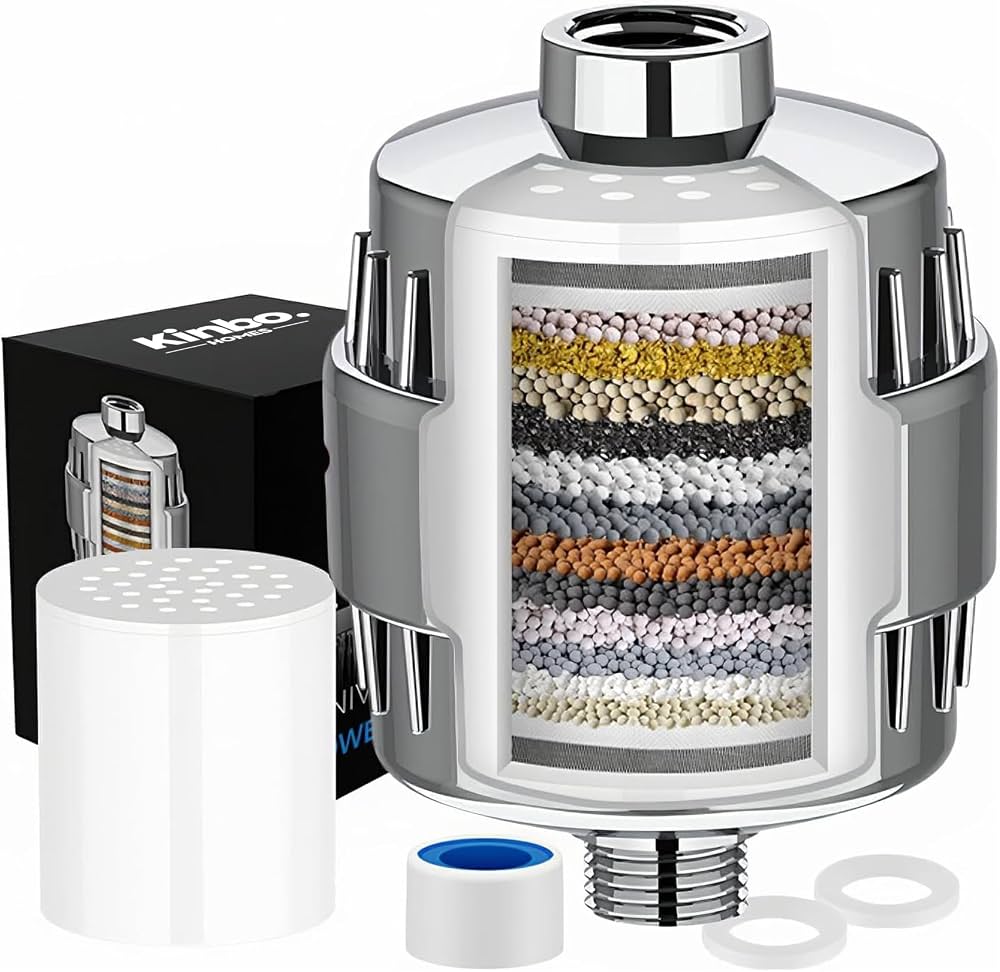
A carbon filter can reduce chlorine taste and odor when the filter is specifically designed for that purpose. Activated carbon works by adsorbing certain compounds onto its surface, making it useful for improving the sensory qualities of drinking water. Depending on the filter design, it may also reduce some other substances, but its performance isn’t unlimited.
Reverse osmosis systems can provide additional treatment for drinking water by forcing water through a semipermeable membrane. Many units combine this membrane with carbon prefilters and post-filters. Still, it’s important to choose a system certified for the particular contaminants you want to reduce.
One point deserves emphasis: chlorine has a public health purpose. Removing it from water at the point of use can improve taste, but homeowners should not assume that all disinfection is unnecessary. If water develops a sudden, unusual chemical smell, contact the local utility rather than relying on a filter to explain or solve the change.
Choosing a Treatment System That Fits Your Home
With so many filters, softeners, and purification products available, it’s easy to feel overwhelmed. Advertisements often promise cleaner, fresher, better-tasting water, but the best system is the one that addresses a verified concern.
Start by identifying your water source. Municipal customers can review the latest water quality report and arrange additional testing if household symptoms suggest a problem. Well owners should use an accredited laboratory and follow local recommendations for routine testing.
Next, decide where treatment is needed. A whole-house system treats water entering the property and may be suitable for issues affecting showers, laundry, plumbing, and appliances. A point-of-use filter, installed at a kitchen tap or beneath the sink, can be a practical choice when the main goal is improving drinking water.
Look beyond the initial purchase price. Filter cartridges need replacement, softeners require periodic attention, and some systems use water during regeneration or produce wastewater. Check replacement costs, maintenance schedules, flow rates, and independent certification before making a decision.
Better Water Begins With Informed Choices
Water problems don’t always demand an elaborate solution. Sometimes a properly selected filter is enough; in other cases, a softener, iron treatment system, plumbing repair, or more comprehensive approach may be appropriate. What matters is matching the solution to the actual conditions in your home.
Pay attention to changes in taste, smell, staining, and appliance performance, but don’t rely on appearance alone when safety is involved. Testing provides clearer answers and helps prevent unnecessary spending.
Ultimately, improving household water quality is about making everyday life easier while protecting the plumbing and equipment you depend on. A little investigation now can save time, reduce maintenance headaches, and help you feel more confident about the water your family uses every day.