Water systems rarely get much attention when everything is working properly. A tap runs, a pump starts when needed, and the water looks clear enough to use. It’s only when something goes wrong—a strange odor, inconsistent pressure, a leaking connection, or an empty storage tank at the worst possible moment—that we start thinking about how much depends on the equipment behind the scenes.
Whether you’re managing a home, a commercial property, a farm, or an industrial facility, a dependable water system requires more than one good piece of equipment. Water quality, storage capacity, system components, and regular maintenance all play a part. Getting these elements right from the beginning can reduce unnecessary expenses and make everyday water use far less stressful.
Understanding What Your Water System Actually Needs
Every property has different water requirements. A small household may need basic filtration and reliable pressure, while a commercial building could require treatment equipment capable of handling higher demand throughout the day. Agricultural operations have their own challenges, including irrigation schedules, changing water sources, and seasonal fluctuations.
Before choosing equipment, take a closer look at the water itself. Does it contain excess hardness minerals? Is sediment entering the plumbing? Does the water have an unusual taste or smell? Is the supply consistent, or does pressure drop when several outlets are used at once?
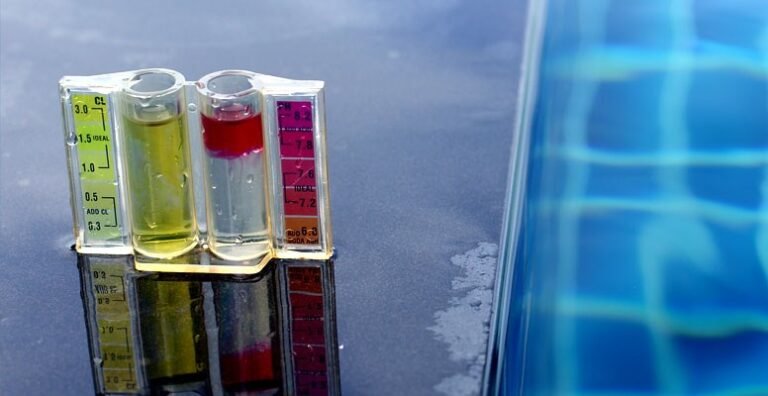
These questions help establish what needs attention first. Water testing can identify concerns that aren’t visible to the naked eye, while a system inspection may reveal undersized pipes, worn seals, or equipment that’s no longer performing as intended.
Also read: Iron, Tannin, Chlorine, and Chloramine Filters: Choosing the Right Water Treatment
It is worth remembering that clear water isn’t necessarily free of contaminants. Likewise, not every unpleasant taste indicates a serious safety issue. Testing and proper diagnosis provide a much better foundation than assumptions, particularly when water comes from a private well or another source that isn’t routinely monitored by a municipal provider.
Using Treatment Chemicals Carefully and Effectively
Some water quality problems can be addressed through filtration or physical treatment alone. Others require a different approach. Depending on the application, chemical treatment may help control microorganisms, adjust water chemistry, prevent corrosion, or manage deposits that interfere with equipment.
Water treatment chemicals are used in a variety of settings, from drinking water facilities and cooling systems to swimming pools and industrial processes. The right product depends on the intended purpose, water composition, system design, and applicable safety requirements.
For example, disinfectants may be used to manage microbial risks, while certain treatment agents help control scale or corrosion in suitable systems. In industrial settings, carefully managed chemical dosing can also protect equipment and support consistent operating conditions.
But chemicals aren’t a one-size-fits-all solution. Using too much can create safety concerns, damage equipment, or affect water quality. Using too little may fail to achieve the intended result. Accurate dosing, compatible materials, appropriate monitoring, and proper storage are all essential.
Also read: When Well Water Starts Causing Problems at Home
For drinking water applications, treatment must be selected and managed according to relevant public health standards. Never assume that a chemical suitable for an industrial process is safe for water intended for consumption. Follow the product label, manufacturer instructions, and local regulations, and seek qualified advice when the correct treatment method isn’t clear.
Why Small System Components Matter So Much
When people plan a water installation, attention often goes straight to the pump, filter, or treatment unit. These are important components, of course, but the smaller fittings and supporting parts can have just as much influence on overall performance.
A system depends on connections, valves, seals, housings, pressure gauges, tubing, and other components to move water safely and consistently. If one connection begins leaking or a valve fails to operate properly, the entire installation can become less efficient. In some cases, a relatively inexpensive replacement can prevent a much larger repair.
Choosing compatible water treatment parts helps keep the system operating as designed. Compatibility matters because components must suit the operating pressure, temperature, flow rate, and chemical conditions involved. A part that fits physically may still be unsuitable for the application.
Material quality is another consideration. Components exposed to treated water or dosing chemicals need appropriate corrosion resistance and documented suitability for their intended use. For potable water systems, look for products that meet the relevant requirements for contact with drinking water.
Replacement schedules shouldn’t be ignored, either. Filter cartridges, seals, and other wear items gradually lose performance. Keeping common replacement parts available can reduce downtime, especially in commercial or agricultural environments where an interruption in water service can affect daily operations.
Storage Capacity and the Importance of Proper Tanks
A reliable water supply isn’t always about how much water is available at the source. It’s also about whether the property can store enough water to meet demand when supply fluctuates.
Storage can be particularly useful where water arrives intermittently, wells have limited recovery rates, or demand rises sharply at certain times of day. Commercial properties may need a reserve for operational continuity, while farms might require stored water for livestock, cleaning, or irrigation schedules.
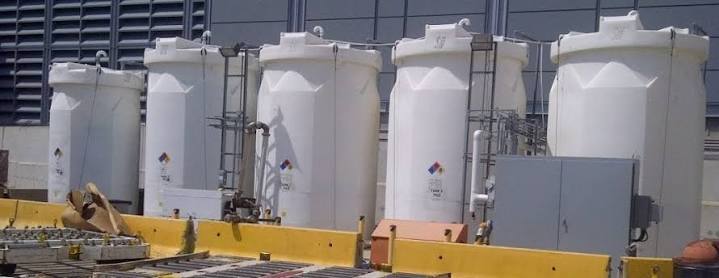
Retention tanks can form part of a wider water storage or treatment arrangement, depending on their design and intended purpose. In some systems, tanks provide temporary holding capacity, allowing water to remain available for a later stage of treatment or use. In wastewater and industrial applications, appropriately designed tanks may also support specific treatment or process requirements.
The terminology matters here: a retention tank isn’t automatically interchangeable with a potable water storage tank, pressure tank, or wastewater holding tank. Each serves a different purpose, and the selected vessel must be suitable for the fluid it will contain and the conditions under which it operates.
Capacity should be based on actual demand rather than guesswork. Consider peak usage, the reliability of incoming supply, available installation space, and how quickly stored water needs to be replenished. Oversizing can increase cost and create water turnover concerns in some applications, while undersizing may leave the property short during busy periods.
Tank installation also deserves attention. A suitable foundation, secure connections, accessible inspection points, and protection from contamination are all important. Storage equipment should be inspected periodically for leaks, damage, and other signs of deterioration.
Maintenance That Prevents Bigger Problems
Even a well-designed water system needs routine attention. Pumps should be checked for unusual noise, vibration, and changes in performance. Filters need servicing at the recommended intervals, and treatment equipment should be monitored to confirm that it is working within its intended operating range.
Storage tanks require inspections appropriate to their use, while chemical dosing equipment may need calibration and replenishment. Valves and fittings should be examined for leaks, corrosion, or wear before a minor issue develops into a service interruption.
A maintenance log can make this work easier. Record inspections, test results, replacement dates, and repairs in one place. Over time, these notes can reveal patterns, such as a filter that repeatedly clogs too soon or a pump that struggles during periods of high demand.
Preventive maintenance may feel like an extra expense when everything appears to be fine. In practice, it can help avoid emergency callouts, water waste, equipment damage, and unnecessary downtime.
Choosing a System That Works for the Long Term
A dependable water system is built through a series of sensible decisions. Understand the water quality first, select treatment methods that address verified needs, use compatible components, and provide enough storage for the property’s actual requirements. Then keep the system maintained rather than waiting for a failure to force action.
Price matters, but the cheapest initial option isn’t always the least expensive over time. Energy use, replacement parts, chemical consumption, service availability, and expected equipment life should all influence the decision.
When a system is complex, getting advice from a qualified water treatment professional can save time and help avoid mismatched equipment. Ask clear questions about performance, maintenance, safety, and ongoing operating costs before making a purchase.
Water is too important to leave system reliability to chance. With suitable treatment, dependable components, correctly designed storage, and a little routine care, a water system can support daily needs more consistently—and help prevent small problems from turning into expensive surprises.