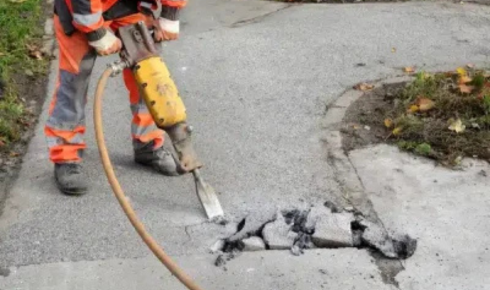
Concrete structures are built to last, but there comes a time when even the most durable surfaces need to be removed and replaced. Whether it’s a cracked driveway, an aging patio, a damaged sidewalk, or an outdated foundation, professional Concrete Removal Services play an important role in maintaining safe, functional, and visually appealing properties.
Many property owners underestimate the complexity of concrete demolition. What appears to be a straightforward task often involves specialized equipment, careful planning, debris management, and strict safety considerations. Understanding the process can help homeowners, business owners, and property managers make informed decisions that save time, reduce risks, and improve project outcomes.
This guide explores the key aspects of concrete removal, common challenges, best practices, and how professional services contribute to successful property improvement projects.
Why Concrete Removal Matters
Concrete is one of the most widely used construction materials due to its strength and longevity. However, no material lasts forever. Exposure to weather, moisture, ground movement, and daily wear can eventually lead to deterioration.
Damaged concrete creates several issues, including:
- Trip and fall hazards
- Poor curb appeal
- Drainage problems
- Structural concerns
- Reduced property value
Removing deteriorated concrete allows property owners to address underlying issues before they become more costly. It also creates opportunities for upgrades, redesigns, and modern improvements.
Common Projects That Require Concrete Removal Services
Professional concrete demolition companies handle a wide range of projects. While every site is different, several situations commonly require removal work.
Driveway Removal
Driveways endure constant vehicle traffic and exposure to the elements. Over time, cracks, uneven settling, and surface deterioration can make replacement necessary.
Removing an old driveway prepares the area for new pavement and helps ensure a stable foundation for future use.
Patio and Outdoor Living Area Removal
Many homeowners renovate outdoor spaces to improve functionality and appearance. Outdated patios, walkways, and entertainment areas often require complete removal before new designs can be installed.
Sidewalk and Walkway Demolition
Public and private walkways must remain safe and accessible. Uneven surfaces, tree root damage, and aging concrete frequently require removal and replacement.
Foundation and Slab Removal
Construction projects often involve removing existing concrete slabs or foundations before new structures can be built. These projects require careful planning and specialized equipment due to the thickness and weight of the material.
Commercial Concrete Removal
Commercial properties may need demolition services for parking lots, loading areas, warehouse floors, and other large-scale concrete structures.
The Challenges of Removing Concrete
Concrete demolition involves far more than breaking up a surface with a hammer.
Several factors can affect the complexity of a project:
Thickness of the Concrete
Residential patios may only be a few inches thick, while industrial slabs can be substantially thicker and reinforced with steel.
The thicker the material, the more equipment and labor required for removal.
Reinforcement Materials
Many concrete structures contain:
- Rebar
- Wire mesh
- Steel supports
- Post-tension cables
These materials increase durability but also make demolition more challenging.
Accessibility
Projects located in confined spaces often require specialized techniques and smaller equipment to prevent damage to surrounding structures.
Debris Management
Concrete is heavy. Even a small demolition project can generate thousands of pounds of debris that must be transported and properly disposed of or recycled.
Modern Equipment Used in Concrete Demolition
Advancements in demolition equipment have significantly improved efficiency and safety.
Professional contractors commonly use:
- Hydraulic breakers
- Concrete saws
- Skid steers
- Excavators
- Jackhammers
- Compact loaders
- Dump trailers
The right equipment depends on the project’s size, location, and structural requirements.
Using professional-grade machinery helps minimize project timelines while reducing physical strain and safety risks.
Safety Considerations During Concrete Removal
Safety remains one of the most important aspects of any demolition project.
Concrete removal can create hazards such as:
- Flying debris
- Dust exposure
- Heavy lifting injuries
- Equipment accidents
- Underground utility damage
Professional crews follow established safety protocols to protect workers, occupants, and nearby properties.
Key safety practices include:
- Conducting site assessments
- Identifying underground utilities
- Establishing work zones
- Using personal protective equipment
- Controlling dust generation
- Following equipment safety procedures
These precautions help reduce risks while maintaining project efficiency.
Environmental Benefits of Responsible Concrete Removal Services
Sustainability has become an increasingly important consideration in construction and demolition industries.
Many people are surprised to learn that concrete is one of the most recyclable construction materials available.
Recycling Concrete Debris
Rather than sending broken concrete directly to landfills, many contractors transport debris to recycling facilities.
Recycled concrete can be processed into:
- Road base material
- Aggregate for new construction
- Drainage applications
- Landscaping materials
This approach helps reduce landfill waste while conserving natural resources.
Reducing Environmental Impact
Responsible disposal practices contribute to:
- Lower environmental impact
- Reduced construction waste
- Resource conservation
- Improved sustainability efforts
Property owners who prioritize environmentally responsible demolition can support broader waste-reduction initiatives within their communities.
Signs It’s Time to Remove and Replace Concrete
Not every crack requires complete replacement. However, certain warning signs indicate that removal may be the most practical long-term solution.
Watch for:
Extensive Cracking
Multiple large cracks often signal structural deterioration that patching cannot fully address.
Uneven Surfaces
Sunken or lifted concrete can create safety hazards and drainage issues.
Persistent Water Problems
Pooling water around concrete surfaces may indicate underlying grading or structural concerns.
Surface Spalling
Flaking, chipping, and peeling surfaces often suggest significant wear and deterioration.
Aging Infrastructure
Older concrete installations may no longer meet modern safety, accessibility, or design standards.
When these issues become widespread, replacement often delivers better value than repeated repairs.
Choosing Professional Concrete Removal Services
Selecting the right contractor is one of the most important decisions in any demolition project.
Not all companies possess the experience, equipment, or expertise needed to handle concrete removal efficiently.
When evaluating service providers, consider the following:
Experience and Industry Knowledge
Experienced contractors understand how to assess project conditions, anticipate challenges, and develop effective removal strategies.
Proper Equipment
Professional companies invest in specialized machinery designed specifically for demolition work.
Insurance and Licensing
Verify that contractors maintain appropriate insurance coverage and comply with local regulations.
Waste Management Practices
Ask how debris will be handled, transported, and recycled.
Transparent Communication
Reliable contractors provide clear estimates, timelines, and project expectations from the beginning.
Preparing for a Concrete Removal Project
Property owners can help ensure a smoother demolition process through proper preparation.
Consider these steps before work begins:
Clear the Area
Remove vehicles, furniture, equipment, and personal belongings from the work zone.
Identify Utilities
Confirm the location of underground utility lines before demolition starts.
Notify Occupants
Inform residents, employees, or tenants about potential noise and temporary access restrictions.
Discuss Project Goals
Communicate future plans for the space so contractors can coordinate removal methods accordingly.
Preparation helps minimize delays and supports a more organized workflow.
The Value of Professional Expertise
While some homeowners consider tackling small demolition projects themselves, concrete removal is often more demanding than anticipated.
Professional services offer several advantages:
- Faster completion times
- Improved safety
- Specialized equipment access
- Efficient debris removal
- Reduced property damage risks
- Compliance with local regulations
Experienced crews understand how to manage challenges that frequently arise during demolition projects.
Their expertise often saves property owners significant time, effort, and unexpected expenses.
Looking Ahead: The Future of Concrete Removal
The demolition industry continues to evolve with advances in technology, sustainability, and project management practices.
Emerging trends include:
- Increased recycling initiatives
- Dust suppression technologies
- More efficient equipment
- Improved safety systems
- Sustainable waste management solutions
As environmental standards continue to develop, professional concrete removal providers are adopting practices that balance efficiency with responsible resource management.
Final Thoughts
Concrete plays a critical role in residential, commercial, and industrial properties, but even the most durable surfaces eventually require replacement. Understanding the process behind Concrete Removal Services helps property owners make informed decisions that improve safety, functionality, and long-term property value.
From driveway demolition and patio removal to large-scale commercial projects, professional expertise remains essential for achieving efficient and responsible results. By prioritizing safety, sustainability, and proper planning, property owners can ensure successful outcomes while minimizing disruption.
For those considering a demolition project, working with experienced professionals such as Junk Rescue AZ can provide the guidance, equipment, and debris management solutions needed to complete the job effectively and prepare the site for its next phase of development.