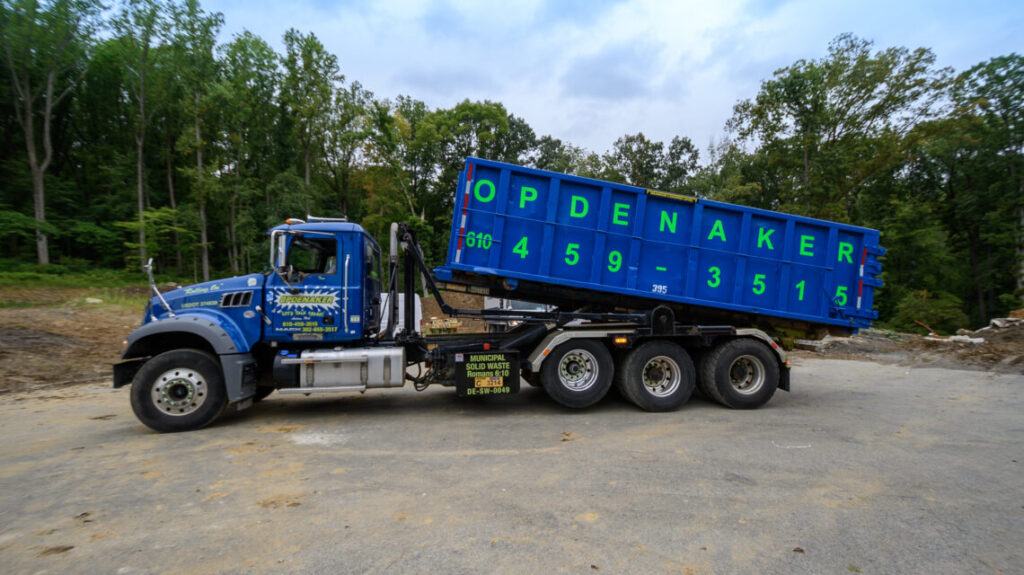
Every renovation, cleanup, or building job starts with a plan. You know what needs to be repaired, what should be removed, and roughly how long the work might take. What often gets less attention is the waste that builds up along the way. Old cabinets, broken drywall, timber offcuts, packaging, and unwanted furniture can quickly turn a tidy work area into a frustrating obstacle course.
It’s not just about appearances, either. A cluttered site can slow down workers, make it harder to move materials, and create unnecessary safety concerns. Planning how waste will be collected and removed from the beginning helps the main project run more smoothly. With a suitable container, a realistic schedule, and a little organisation, the cleanup becomes far less stressful.
Plan for Waste Before Work Begins
Before ordering a dumpster, take a walk through the area where the work will happen. Consider what is being removed, how much debris it may create, and whether the waste will appear all at once or accumulate over several days. A small bathroom renovation might produce heavy tiles and fixtures, while a garage cleanout could involve bulky but relatively lightweight household items.
Making a rough list of expected materials is a useful starting point. You don’t need to predict every piece of debris perfectly. The goal is to avoid booking a container that fills too quickly or paying for much more space than the job requires.
If you’re working with a contractor, ask how waste removal will fit into the project schedule. Demolition often creates a large amount of debris early on, whereas other jobs produce waste gradually. Knowing the likely pace makes it easier to arrange delivery and collection at the right time.
Also read: How to Use a Link Building Marketplace Responsibly
Choosing a Dumpster That Fits the Job
Container size can have a real effect on both convenience and cost. A dumpster that’s too small may need to be exchanged before the work is finished, potentially interrupting the schedule. An oversized container, meanwhile, can occupy valuable space and cost more than necessary.
A roll-off dumpster rental can be a practical option when a project produces more waste than ordinary bins can handle. Roll-off containers come in several sizes, allowing homeowners, contractors, and businesses to choose a capacity suited to the amount and type of debris involved.
When comparing options, don’t focus on volume alone. Weight restrictions are equally important. Concrete, soil, roofing shingles, and other dense materials can reach the permitted weight limit even when the dumpster still has plenty of visible space. Ask the provider about weight allowances, accepted materials, and any special rules that apply to heavy debris.
The placement area deserves attention as well. Check whether the driveway or worksite has enough room for delivery, and look for low branches, overhead wires, gates, and other potential obstacles. If the container will sit on a paved surface, ask whether protective boards are recommended.
Keeping Construction Work Moving
Construction sites can become cluttered surprisingly quickly. Materials arrive in batches, different trades may work at the same time, and discarded items can accumulate before anyone has a chance to remove them. Without a clear system, workers may spend time moving debris around instead of getting on with the job.
Also read: Why the Right Printing Materials Matter Just as Much as Great Design
For construction projects, waste removal should be included in the schedule alongside material deliveries and major work stages. Establish a designated location for the dumpster and make sure everyone knows which materials can go inside. A central collection point can help prevent loose debris from spreading across the site, provided it doesn’t block equipment or emergency access.
Sorting materials can also make a difference. Clean cardboard, scrap metal, untreated wood, and other recyclable items may be accepted by local recycling services. Separating suitable materials can reduce the amount of mixed waste sent for disposal. However, recycling rules vary, so check what local facilities accept rather than assuming everything can be placed in the same pile.
Communication helps keep the system working. A quick reminder during a site briefing can prevent workers from leaving debris in walkways or placing restricted materials in the wrong container. Small habits, repeated throughout the day, can save a surprising amount of cleanup time.
Making Home and Property Cleanouts Easier
Not every waste removal job involves construction. Sometimes the task is simply clearing a basement, preparing a rental property for new occupants, or dealing with years of accumulated belongings. These jobs can be emotionally tiring, especially when a property contains items that haven’t been touched in a long time.
For larger cleanout projects, begin by dividing items into practical categories: keep, donate, recycle, and discard. You don’t need to sort every object immediately, but having a basic system helps avoid throwing away useful items or filling the dumpster with materials that could be reused.
Bulky furniture and old fixtures can take up a lot of room, so think about how they will be loaded. Break down items only when it is safe and appropriate to do so, and avoid placing debris where it could fall out of the container. Follow the provider’s fill-line instructions, even if there’s room to squeeze in one more item.
Some materials require special handling. Paint, solvents, batteries, certain electronics, and other hazardous items may not be accepted in a standard roll-off dumpster. Check local disposal guidance and arrange separate collection where needed. A little preparation can prevent a last-minute scramble when the container is ready for pickup.
Understand the Rental Terms and Total Cost
The advertised rental price doesn’t always tell the whole story. Costs may depend on container size, delivery distance, rental duration, disposal fees, and the weight of the material. Additional charges can apply if the dumpster is overloaded, contains prohibited waste, or remains on-site longer than agreed.
Ask for a written estimate that explains what’s included. Confirm the rental period, weight allowance, delivery and collection arrangements, and the process for requesting an extension or container exchange. If you’re comparing providers, make sure each quote covers similar services.
It is also worth asking what happens if your schedule changes. Weather delays, unexpected repairs, and late deliveries can push a project beyond its original timeline. Understanding the extension policy in advance makes it easier to adjust without unnecessary surprises.
Load Safely and Keep the Area Accessible
A dumpster should make waste handling easier, not create another hazard. Keep walkways clear, avoid throwing debris from unsafe heights, and use appropriate protective equipment when handling sharp or heavy materials. Distribute loads carefully and never allow waste to extend above the permitted fill line.
Think about access throughout the rental period. The container should be easy to reach without blocking essential parking, delivery routes, or entrances. If several people are using it, a simple set of loading rules can prevent confusion and keep the area orderly.
Once the container is approaching capacity, arrange collection before it becomes an obstacle. Waiting until the last possible moment can leave debris piled around the site, defeating the purpose of having a dumpster in the first place.
Finish Strong With a Simple Waste Plan
Good waste removal doesn’t need to be complicated. It begins with an honest estimate of the debris, a container that suits the job, and clear expectations about loading and collection. Those decisions may not be the most exciting part of a renovation or cleanup, but they can make the whole experience easier.
Whether you’re managing a building site, clearing a property, or improving your own home, planning ahead helps keep the work organised and the surrounding area safer. Take time to review the rental terms, confirm material restrictions, and arrange service around the project’s real schedule.
When waste has a clear destination, people can focus on the work that matters. And when the final load is collected, you’re left with a cleaner space and one less thing to worry about.