Water problems don’t always arrive with an obvious warning. Sometimes the first clue is an orange stain around the sink. Other times, water has a yellowish tint, a musty taste, or that unmistakable swimming-pool-like smell.
The tricky part is that different water-quality problems can look surprisingly similar. An effective treatment system needs to identify what is actually causing the issue before choosing the technology to address it.
That’s where specialized filters can be useful. An iron filter, tannin filter, chlorine and chloramine filter can each target a different category of water concern, depending on the design and media used.
Understanding Iron in Water
Iron is a common concern in private wells. While small amounts may not create an obvious problem, higher concentrations can leave orange or reddish-brown stains on fixtures, laundry, sinks, and tubs.
Iron can also create metallic tastes and contribute to deposits inside plumbing.
An iron filter is generally designed to convert or capture iron in a form that can be removed from the water. Different systems use different approaches, including oxidation and specialized filtration media.
The right choice depends on the type and concentration of iron present. Dissolved iron, for example, may behave very differently from visible particulate iron.
Why Testing Matters for Iron Removal
It’s tempting to buy a filter after seeing a few orange stains, but iron treatment is not always that simple.
Water chemistry can influence how effectively a particular treatment works. pH, manganese levels, hardness, sulfur compounds, and other characteristics may all affect performance.
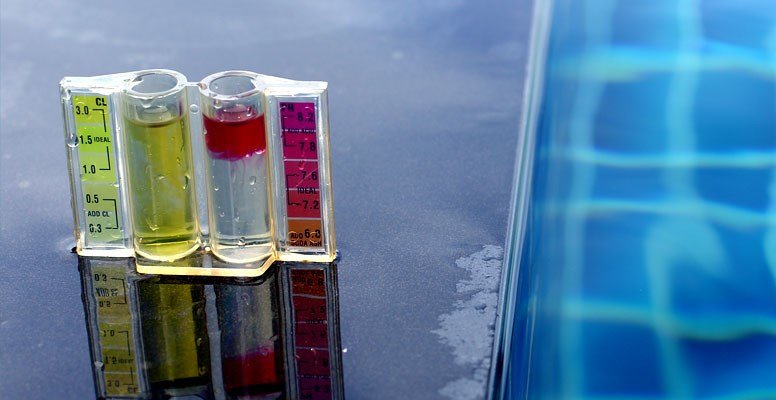
A proper water test gives treatment professionals the information they need to recommend equipment that is appropriately sized and configured.
A filter that works well in one well may perform poorly in another, even if both homeowners complain about “iron.”
What Are Tannins?
Tannins are naturally occurring organic compounds that can enter groundwater from decaying vegetation and organic material. They can give water a yellow, tea-like appearance and may contribute to unusual taste or odor.
Tannin-related water problems are different from mineral hardness or iron staining, which means a standard softener may not be enough.
A tannin filter uses specialized media designed to reduce these organic compounds. Depending on the water chemistry, tannin treatment may be combined with other filtration or softening technologies.
Again, testing is important because yellow water doesn’t automatically mean tannins are the cause.
Chlorine and Chloramine Are Different
Municipal water systems commonly use disinfectants to control microorganisms as water travels through distribution networks.
Chlorine is familiar to most homeowners, but some water suppliers also use chloramine, a combination of chlorine and ammonia.
Both can affect taste and odor, but they don’t behave exactly the same way in filtration.
A chlorine and chloramine filter needs appropriate media and sufficient contact time to reduce these disinfectants effectively. Standard carbon filtration may perform differently depending on whether the water contains free chlorine or chloramine.
This is why knowing which disinfectant your water supplier uses can be helpful when selecting a filter.
Improving Taste and Odor
Chlorine and chloramine aren’t necessarily signs that water is unsafe. In municipal systems, disinfectants serve an important role in maintaining water quality throughout the distribution network.
Still, many people dislike the taste or smell.
A properly selected filter can reduce those characteristics, making tap water more pleasant for drinking, cooking, and preparing coffee or tea.
The result can be subtle but meaningful. When water tastes better, it’s often easier to choose tap water throughout the day.
Can One System Handle Multiple Problems?
Sometimes, but not always with a single filter cartridge.
A property may have iron and tannins in well water, while a municipal supply may have chlorine or chloramine. These situations can require very different treatment approaches.
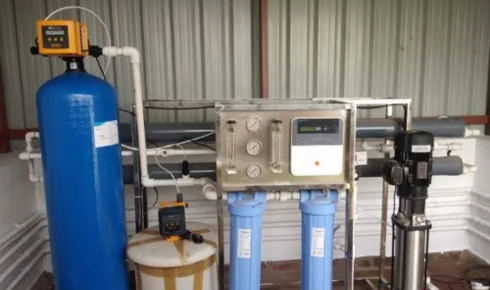
In some homes, several treatment stages may work together. For example, sediment filtration can protect downstream equipment, while specialized media handles iron or organic compounds.
The system should be designed around the actual water rather than trying to force one technology to solve every problem.
Maintenance Makes a Difference
Specialized filters require maintenance just like any other water treatment equipment.
Filter media may eventually become exhausted. Automatic systems may require backwashing. Cartridges need replacement according to their capacity and operating conditions.
Ignoring maintenance can reduce performance and may allow the original water-quality problem to return.
Before purchasing, ask about expected media life, replacement costs, backwashing requirements, and professional service.
Consider Your Water Source
The source of your water can provide useful context.
Municipal water is more likely to involve disinfectants such as chlorine or chloramine. Private well water may have concerns involving iron, manganese, tannins, hardness, or sulfur-related compounds.
That doesn’t mean every city supply or well has these issues. It simply means treatment should be selected based on actual testing.
The Right Filter Solves the Right Problem
Iron, tannins, chlorine, and chloramine are very different water-quality concerns. Treating them effectively requires understanding their chemistry and selecting media designed for the job.
An iron filter can help address iron-related staining. A tannin filter can target certain naturally occurring organic compounds. A properly designed chlorine and chloramine filter can improve taste and odor associated with municipal disinfectants.
The smartest starting point is always the same: test the water, identify the problem, and choose treatment based on evidence.
When the right filter is matched to the right water, treatment becomes much more straightforward — and your kitchen tap can finally deliver water that looks, smells, and tastes the way you want it to.