There’s something reassuring about having your own well. You’re not depending entirely on a municipal water supply, and in many rural homes, a private well is simply part of everyday life. But that independence comes with responsibility. When the water changes taste, develops an odd smell, leaves stains on sinks, or starts damaging plumbing, it’s easy to wonder what went wrong.
These are common well water problems, and they can range from minor nuisances to signs of water-quality issues that shouldn’t be ignored. The good news is that most problems can be identified with the right approach. Once you understand what’s actually in your water, choosing a practical solution becomes much easier.
Why Well Water Can Change Over Time
Unlike treated municipal water, well water comes directly from underground sources. That means its quality depends heavily on the local geology, groundwater conditions, well construction, and what’s happening around the property.
For example, groundwater moving through certain rocks can pick up calcium and magnesium, creating hard water. Iron and manganese may cause orange, brown, or black staining. In other areas, naturally occurring sulfur compounds can give water that familiar rotten-egg smell.
Then there are outside influences. Heavy rainfall, flooding, nearby agricultural activity, failing septic systems, or changes in the groundwater table can affect what enters a well.
And sometimes, nothing dramatic has happened at all. A well can simply change with age.
That’s why water that looked perfectly fine five years ago may not behave the same way today.
Start With Water Testing, Not Guesswork
It’s tempting to buy a filter based on the first problem you notice. Brown stains? Get an iron filter. Bad smell? Try a carbon cartridge. Chalky buildup? Buy a softener.
That approach can work occasionally, but it can also waste money.
Professional water testing gives you a clearer picture of what’s actually happening. Depending on the location and circumstances, testing may look at things such as hardness, iron, manganese, pH, total dissolved solids, bacteria, nitrates, and other contaminants.
The important point is that symptoms don’t always tell the whole story. Water can look crystal clear and still contain contaminants that you can’t see, smell, or taste.
Testing is especially important after flooding, changes in water appearance or odor, repairs to the well, or when a household member develops unexplained concerns related to water quality.
Think of it like taking your car to a mechanic. You wouldn’t replace random parts until the engine sounded better. You’d want to know what’s causing the problem first.
Common Issues Homeowners Notice
Well water problems often announce themselves through everyday annoyances.
Hard water is one of the most common. Calcium and magnesium aren’t usually dangerous in the amounts found in typical groundwater, but they can create scale inside pipes, water heaters, showerheads, and appliances. Soap may also struggle to lather, leaving skin feeling dry and dishes looking cloudy.
Iron is another frequent culprit. It can turn laundry orange or brown and leave stains around toilets and sinks. Depending on the form of iron present, the water may look clear at first and develop color after exposure to air.
Sulfur odors are harder to ignore. The classic rotten-egg smell is often associated with hydrogen sulfide. It can come from groundwater itself or, in some situations, from plumbing or water-heating equipment.
There can also be sediment, unpleasant taste, acidity, or bacterial concerns. Each issue calls for a different response, which is another reason testing matters.
Choosing the Right Treatment Approach
Once the water has been tested, the next step is matching the treatment method to the actual problem.
Modern water treatment systems can address a wide variety of water-quality concerns, but there isn’t one universal machine that fixes everything. A household dealing mainly with hardness may need a water softener, while a home with sediment could benefit from appropriate filtration.
Activated carbon filtration is commonly used to improve taste and reduce certain chemicals and odors. Iron and manganese may require specialized filtration or oxidation-based treatment. UV treatment can be used in appropriate situations to address microorganisms, while reverse osmosis is often used for specific drinking-water applications.
The best setup depends on the test results, the size of the household, the well’s condition, and how much water is being used.
A whole-home system may make sense when the problem affects showers, laundry, appliances, and drinking water. In other cases, treating only the kitchen drinking water can be a more sensible and affordable choice.
Don’t Forget the Well and Plumbing
Water treatment isn’t always the whole answer.
If water quality suddenly changes, the well itself deserves attention. A damaged well cap, cracked casing, poor drainage around the well, or other structural issues can create opportunities for contaminants to enter.
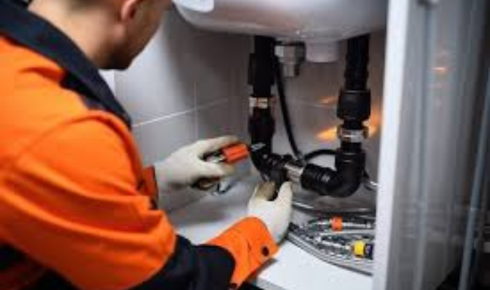
The plumbing can also influence what you see at the tap. Corroding pipes or an aging water heater may contribute to discoloration, taste, or odor. If only hot water has a strange smell, for instance, the water heater could be part of the problem rather than the well.
Routine inspections can help catch small issues before they turn into expensive repairs.
It’s also worth keeping records of testing results. Comparing results from different years can reveal gradual changes that might otherwise go unnoticed.
Maintenance Makes a Difference
A treatment system isn’t something you install and forget.
Filters need to be replaced or cleaned according to the manufacturer’s recommendations. Salt-based softeners need appropriate maintenance. UV systems require attention to lamps and components, while other treatment equipment may need periodic servicing.
The well should also be inspected when appropriate, especially if there are signs of damage or contamination.
Homeowners sometimes wait until water quality becomes unbearable before doing anything. By then, scale may have built up inside appliances, filters may be overloaded, or plumbing components may have suffered unnecessary wear.
A little preventive care is usually less stressful — and often less expensive — than emergency troubleshooting.
When Professional Help Makes Sense
Some water issues are easy to identify, but others aren’t. If the water suddenly changes color, develops a persistent odor, causes unusual staining, or produces repeated plumbing problems, professional advice can save a lot of trial and error.
A qualified water professional can interpret test results, inspect relevant equipment, and recommend treatment based on actual conditions rather than assumptions.
And if bacterial contamination, nitrates, or another potentially serious contaminant is suspected, don’t rely on taste or appearance to decide whether the water is safe. Testing should come first.
Better Water Starts With Knowing What’s There
Owning a private well can be a great thing, but good water quality doesn’t happen by accident. Groundwater is constantly influenced by the environment beneath and around your home, and those conditions can change.
The smartest approach is fairly simple: pay attention to changes, test the water periodically, maintain the well and plumbing, and choose treatment equipment based on evidence.
You don’t need to panic every time you see a little staining around the faucet. But you also shouldn’t shrug off persistent changes.
Clean, reliable water begins with understanding what’s coming out of the tap. Once you know that, the path forward is usually much clearer.